Personalized Scent Soundtrack
KEY METRICS
- Customer Acquisition Cost (CAC): $60
- Average Revenue Per User (ARPU): $120/year (based on monthly subscription fees)
- Churn Rate: 15% annually (target for subscription services)
- Customer Satisfaction (NPS): Target of 60+

PROJECTED ANNUAL OPERATING COST (Y5)
$18 million (including hardware sourcing, scent development, subscription platform, and marketing).
KEY CHALLENGES
- To create a novel category at the intersection of wellness, technology, and sensory experience, requiring a comprehensive business strategy to define and capture the market.
- Building a compelling value proposition around a relatively unexplored concept – scent as a personalized tool for enhancing daily life.
- Developing a user-friendly technology platform that seamlessly integrated hardware (smart diffuser) and software (scent library and scheduling).
- Sourcing and creating high-quality, safe, and effective scent blends.
- Establishing a sustainable and scalable subscription-based business model.
APPROACH & SOLUTIONS
Market Analysis & Opportunity Definition
- Conducted market research to identify target customer segments (e.g., busy professionals, individuals seeking stress relief, wellness enthusiasts, those interested in cognitive enhancement). Analyzed existing market solutions in aromatherapy, home fragrance, and smart home devices. Identified the unique opportunity to combine these elements into a personalized and dynamic scent experience.
Value Proposition Development
- “Enhance your daily life with personalized scent soundtracks designed to optimize your mood, focus, and well-being.” Emphasized the science-backed benefits of aromatherapy, the convenience of a smart diffuser, and the personalization aspect.
Go-to-Market (GTM) Strategy
- Phase 1 (Early Adopter Launch)
Targeted early adopters and influencers in the wellness and technology spaces through online channels, social media campaigns, and partnerships with relevant blogs and publications. Offered a limited-edition launch package with exclusive scent blends. - Phase 2 (Strategic Partnerships)
Expanded reach through partnerships with retailers (e.g., home goods stores, wellness boutiques), corporate wellness programs, and subscription box services. - Phase 3 (Broad Market Expansion)
Increased brand awareness through broader marketing campaigns, expanded product offerings (e.g., travel-sized diffusers, specialized scent collections), and potential international expansion.
Business Architecture
- Smart Diffuser Design & Manufacturing
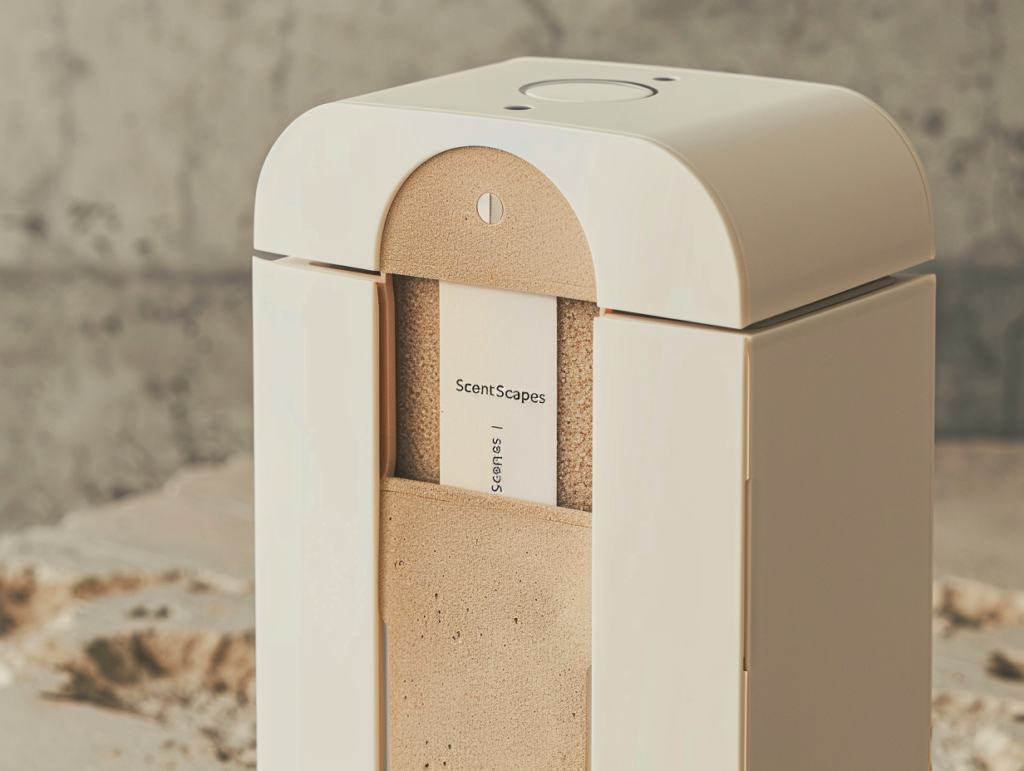
Defined specifications for a sleek, user-friendly smart diffuser with features like adjustable intensity, scheduling, and connectivity (Wi-Fi/Bluetooth). Explored manufacturing options (partnerships with existing device manufacturers or custom design and production). - Scent Library & Sourcing
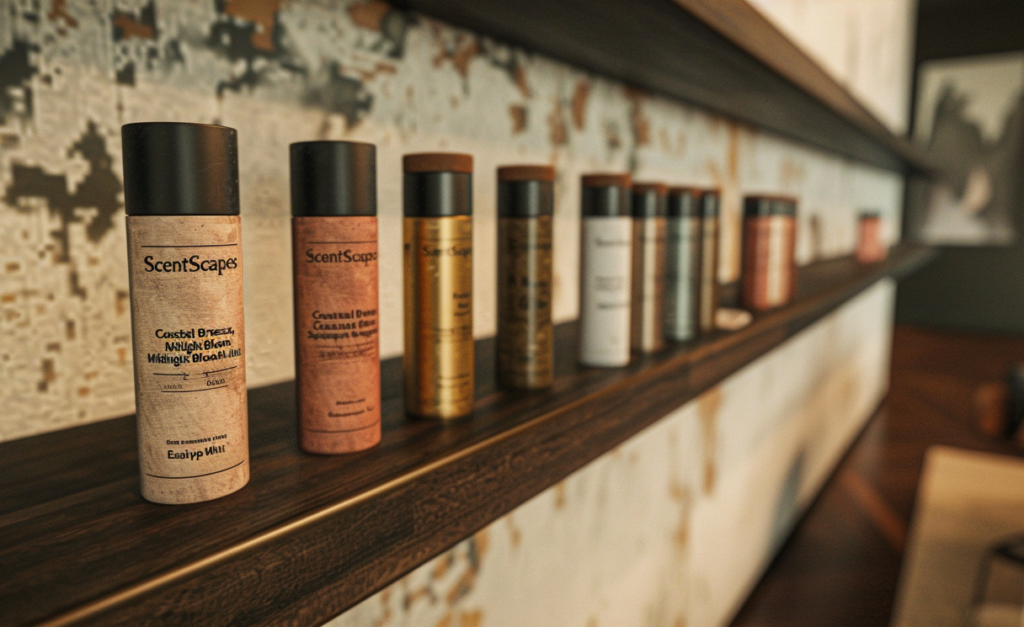
Developed a curated library of high-quality scent blends, sourcing essential oils and fragrance ingredients from reputable suppliers. Established quality control processes and safety testing protocols. Categorized scents based on their intended effect (e.g., focus, relaxation, energy, sleep). - Subscription Management Platform
Designed an intuitive app and online platform for managing subscriptions, scheduling scent releases, customizing preferences, exploring the scent library, and accessing educational content about aromatherapy. - Logistics & Fulfillment
Established a system for warehousing, packaging, and shipping diffusers and scent refills. Considered options for in-house fulfillment or partnerships with third-party logistics providers.
Financial Plan & Architecture
- Revenue Model
Implemented a subscription-based revenue model with tiered pricing based on the number of scent refills per month and the level of customization. Explored potential revenue streams from hardware sales, premium scent collections, and partnerships. - Cost Structure
Analyzed key cost drivers, including hardware manufacturing, scent sourcing, packaging, shipping, technology development, and marketing. Identified opportunities for cost optimization and economies of scale. - Funding Strategy
Developed a financial model projecting revenue, expenses, and profitability. Created a phased funding plan, identifying potential investors (venture capital, angel investors, consumer product-focused funds).
RESULTS & IMPACT
- Delivered a comprehensive business plan that provided a clear roadmap for launching and scaling the “Personalized Scent Soundtrack” service.
- Developed a compelling value proposition and go-to-market strategy that resonated with the target audience.
- Created a robust operational framework that addressed the unique challenges of combining hardware, software, and sensory experience.
- Established a sustainable and scalable subscription-based business model with strong potential for growth.
- Positioned the client to attract investment, secure strategic partnerships, and build a leading brand in the emerging market of personalized sensory wellness.
- Defined key metrics for tracking success, including customer acquisition cost, subscription retention rate, and customer satisfaction.
RISKS & MITIGATION
Risk 1: Scientific Validity & Efficacy
- The science of the microbiome is still evolving, and there’s a risk that the personalized meal plans may not deliver the promised health benefits.
- Mitigation:
Partner with reputable scientists and research institutions. Conduct clinical trials to validate the effectiveness of the approach. Be transparent with customers about the limitations of current knowledge. Focus on general gut health improvements rather than specific disease treatment.
Risk 2: Operational Complexity
- Managing personalized meal plans, sourcing diverse ingredients, and ensuring food safety is a complex logistical undertaking.
- Mitigation:
Develop robust operational processes and technology platforms. Partner with experienced food production and logistics providers. Implement strict quality control measures.
Risk 3: Customer Acquisition Cost
- Attracting customers to a premium, personalized service can be expensive.
- Mitigation:
Develop a targeted marketing strategy focused on early adopters and health-conscious consumers. Leverage digital marketing, influencer collaborations, and partnerships with wellness clinics. Offer a compelling value proposition and demonstrate clear benefits.
Risk 4: Regulatory Scrutiny
- Health claims related to the microbiome and personalized nutrition are subject to increasing regulatory scrutiny.
- Mitigation:
Consult with legal and regulatory experts to ensure compliance with all applicable regulations (e.g., FDA guidelines for food and dietary supplements). Avoid making unsubstantiated health claims.
Financial Plan & Architecture
- Revenue Model
Implemented a subscription-based revenue model with tiered pricing based on the number of scent refills per month and the level of customization. Explored potential revenue streams from hardware sales, premium scent collections, and partnerships.