
PROJECTED ANNUAL OPERATING COST (Y5)
$45 million (including testing kits, food sourcing, meal preparation, delivery, and technology).
KEY CHALLENGES
- The client aimed to disrupt the healthy food delivery market by leveraging cutting-edge microbiome science, but required a robust business and operational plan.
- The concept involved a complex interplay of scientific testing, personalized meal planning, food production, logistics, and technology.
- Building consumer trust and educating the market about the benefits of microbiome-focused nutrition was critical.
- Navigating the regulatory landscape related to health claims and personalized nutrition.
- Establishing a sustainable and scalable business model in a competitive market.
APPROACH & SOLUTIONS
Market Analysis & Validation
- Conducted in-depth market research to assess consumer demand for personalized nutrition and microbiome-focused solutions. Identified key target segments (e.g., health-conscious individuals, athletes, individuals with digestive issues). Analyzed the competitive landscape, including existing meal delivery services and gut health companies.
Value Proposition Development
- “Optimize your gut health and overall well-being with personalized meals designed for your unique microbiome.” Emphasized the scientific basis, convenience, and deliciousness of the service.
Go-to-Market (GTM) Strategy
- Phase 1 (Beta Launch):
Launched a beta program in a limited geographic area to test the operational model, refine meal plans, gather customer feedback, and validate the scientific approach. - Phase 2 (Targeted Expansion):
Expanded to key metropolitan areas, focusing on early adopters and health-conscious consumers. Leveraged digital marketing, partnerships with health influencers, and collaborations with wellness clinics. - Phase 3 (National/International Rollout):
Scaled operations nationally (and potentially internationally), building strategic partnerships with food suppliers, logistics providers, and potentially healthcare providers.
BUSINESS ARCHITECTURE
Microbiome Testing & Analysis
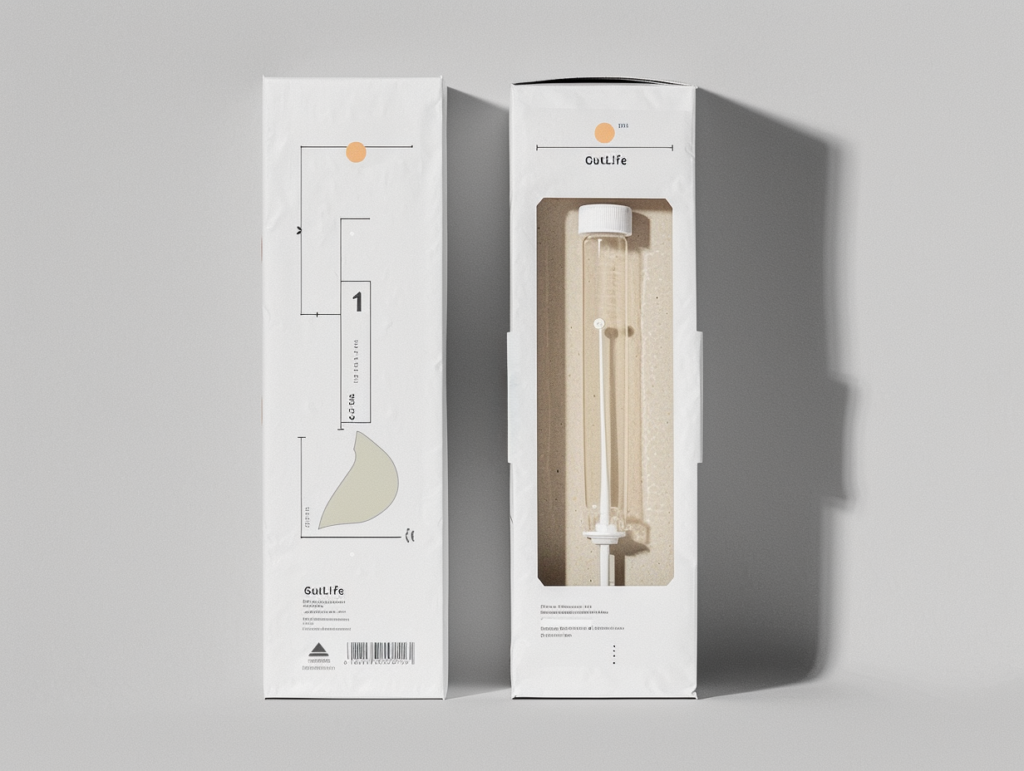
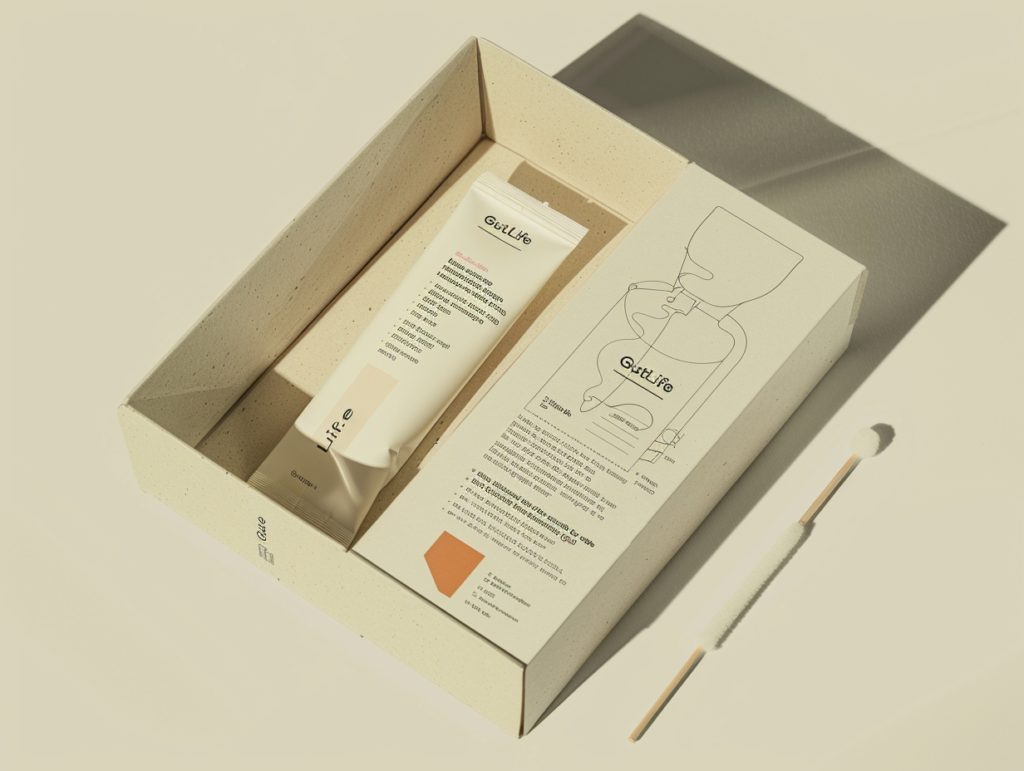
- Established a partnership with a reputable laboratory for microbiome testing and analysis. Developed proprietary algorithms to translate test results into personalized meal plans. Defined data privacy and security protocols.
Meal Planning & Production
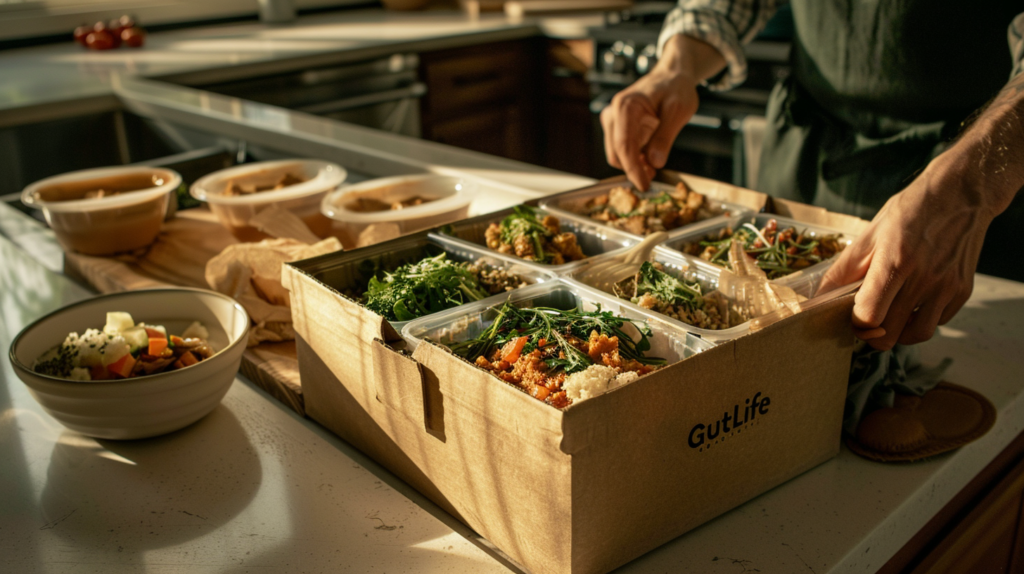
- Created a system for developing and customizing meal plans based on individual microbiome profiles. Established relationships with high-quality food suppliers, emphasizing organic, sustainable, and locally sourced ingredients whenever possible. Designed a flexible production model (centralized kitchen, regional hubs, or partnerships with existing meal prep companies).
Technology Platform
- Customer portal for managing subscriptions, viewing meal plans, tracking microbiome progress, and accessing educational content.
- Internal platform for managing orders, inventory, logistics, and customer data.
- Potential integration with wearable devices for tracking activity levels and other health metrics.
Logistics & Delivery
- Developed a reliable and efficient delivery system, considering temperature control, packaging, and sustainability. Explored options for in-house delivery, partnerships with existing delivery services, or a hybrid approach.
FINANCIAL PLAN & ARCHITECTURE
Revenue Model
- Established a subscription-based revenue model with tiered pricing based on the frequency of meals and the level of personalization. Explored potential add-on services (e.g., personalized supplement recommendations, one-on-one consultations with nutritionists).
Cost Structure
- Analyzed key cost drivers, including testing kits, food ingredients, meal preparation, packaging, delivery, and technology development. Identified strategies for cost optimization and economies of scale.
Funding Strategy
- Developed a financial model projecting revenue, expenses, and profitability over a multi-year horizon. Outlined a phased funding plan, identifying potential investors (venture capital, angel investors, strategic partners in the food or health industries).
RESULTS AND IMPACT
- Delivered a comprehensive business plan that provided a clear path to market for the innovative food delivery service.
- Developed a robust operational framework that addressed the complexities of personalized nutrition, microbiome testing, and food production.
- Created a compelling go-to-market strategy that targeted key customer segments and built brand awareness.
- Established a scalable and sustainable business model with strong potential for profitability.
- Positioned the client to attract investment and secure strategic partnerships, enabling them to launch and grow their business successfully.
- Defined key performance indicators (KPIs) to track progress and measure success (e.g., customer acquisition cost, retention rate, microbiome health improvements).
RISK AND MITIGATION
Risk 1: Scientific Validity & Efficacy
- The science of the microbiome is still evolving, and there’s a risk that the personalized meal plans may not deliver the promised health benefits.
- Mitigation
Partner with reputable scientists and research institutions. Conduct clinical trials to validate the effectiveness of the approach. Be transparent with customers about the limitations of current knowledge. Focus on general gut health improvements rather than specific disease treatment.
Risk 2: Operational Complexity
- Managing personalized meal plans, sourcing diverse ingredients, and ensuring food safety is a complex logistical undertaking.
- Mitigation
Develop robust operational processes and technology platforms. Partner with experienced food production and logistics providers. Implement strict quality control measures.
Risk 3: Customer Acquisition Cost
- Attracting customers to a premium, personalized service can be expensive.
- Mitigation:
Develop a targeted marketing strategy focused on early adopters and health-conscious consumers. Leverage digital marketing, influencer collaborations, and partnerships with wellness clinics. Offer a compelling value proposition and demonstrate clear benefits.
Risk 4: Regulatory Scrutiny
- Health claims related to the microbiome and personalized nutrition are subject to increasing regulatory scrutiny.
- Mitigation:
Consult with legal and regulatory experts to ensure compliance with all applicable regulations (e.g., FDA guidelines for food and dietary supplements). Avoid making unsubstantiated health claims.
Risk 5: Competition
- The meal delivery market is highly competitive.
- Mitigation:
Focus on the unique value proposition of microbiome-based personalization. Target a niche market segment. Build strong brand loyalty through exceptional customer service and demonstrable results.