Tuffer – Invisible Kids Helmets

KEY METRICS
- Customer Acquisition Cost (CAC): $40 (blended average across online and retail channels)
- Average Selling Price (ASP): $100 (reflecting premium positioning)
- Repeat Purchase Rate: 40% (assuming children outgrow helmets or need replacements, additions such as “body armour”, pads,etc.)
- Market Share: 5% within 5 years (target)

PROJECTED ANNUAL OPERATING COSTS (Y5)
$20 million (including manufacturing, marketing, R&D, and distribution).
KEY CHALLENGES
- The client aimed to address the critical issue of childhood head injuries, but faced the challenge of low helmet adoption rates among children due to aesthetic concerns, discomfort, and social stigma.
- Developing a protective product that was both highly effective in preventing injuries and visually appealing and comfortable enough for children to wear consistently.
- Navigating the complex regulatory landscape for safety products, particularly those intended for children.
- Building a brand that resonated with both parents (focused on safety) and children (focused on style and comfort).
- Competing with established helmet manufacturers and addressing potential skepticism about the effectiveness of a “non-traditional” helmet design.
APPROACH & SOLUTIONS
Market Research & Needs Analysis
- Conducted extensive research on childhood head injuries, existing helmet technologies, and parent/child preferences. Identified a significant gap in the market for head protection that prioritized both safety and aesthetics. Analyzed the reasons behind low helmet adoption rates.
Value Proposition Development
- “Protect your child’s future with head protection they’ll want to wear. Invisible safety, maximum comfort, and fun designs.” Emphasized the unique combination of safety, aesthetics, and comfort.
Product Innovation & Development Roadmap
- Material Science Research
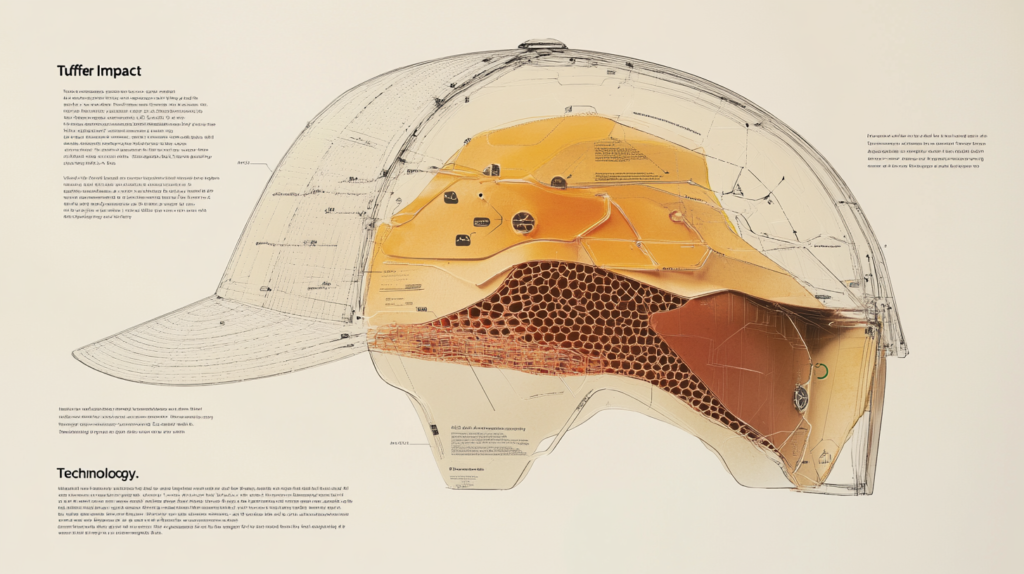
Explored cutting-edge materials and technologies for impact absorption, including advanced polymers, non-Newtonian fluids, and energy-absorbing foams. Investigated options for integrating these materials into discreet and flexible designs. - Design & Prototyping
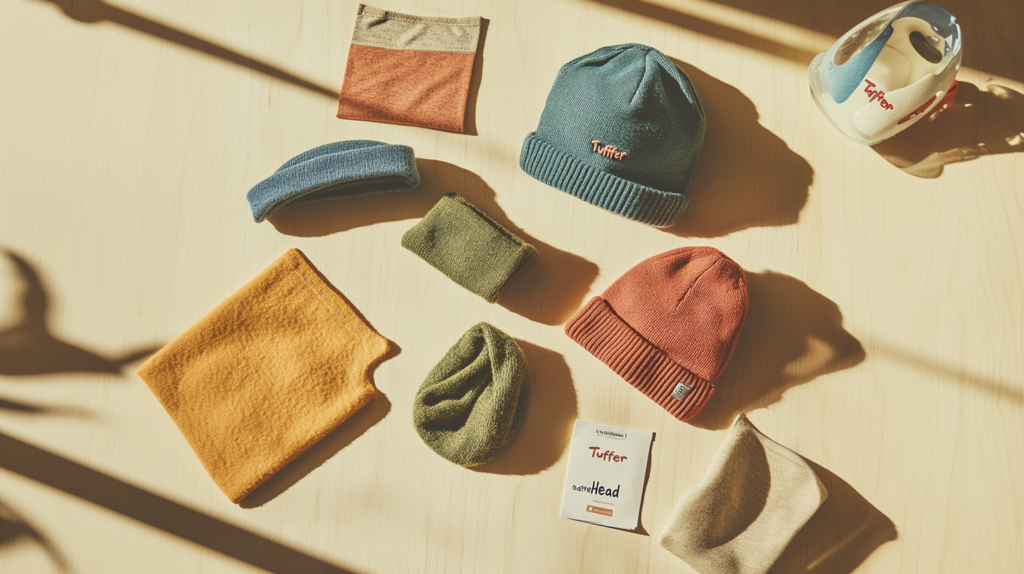
Developed a range of prototype designs mimicking everyday headwear (beanies, baseball caps, headbands, superhero-inspired masks). Focused on achieving a balance between impact protection, comfort, breathability, and visual appeal. Conducted rigorous testing to meet or exceed relevant safety standards (e.g., CPSC, ASTM). - Intellectual Property Strategy
Developed a strategy for protecting the company’s innovations through patents, trademarks, and design registrations.
Go-to-Market (GTM) Strategy
- Direct-to-Consumer (DTC)
Launched an e-commerce website with compelling product imagery, educational content about head injuries, and customer testimonials. Utilized social media marketing and influencer collaborations to reach parents and build brand awareness. - Retail Partnerships
Partnered with key retailers in the children’s products, sporting goods, and safety equipment categories. Developed attractive in-store displays and educational materials for retail staff. - Strategic Alliances
Collaborated with pediatricians, hospitals, and child safety organizations to build credibility and promote the importance of head protection. - Community Engagement
Participated in relevant events (e.g., parenting expos, safety fairs) to demonstrate the product and educate the public.
Business Architecture
- Manufacturing & Supply Chain
Identified potential manufacturing partners with expertise in advanced materials and safety product production. Developed a robust supply chain management system to ensure quality control and timely delivery. - Regulatory Compliance
Established a process for ensuring compliance with all relevant safety standards and regulations in target markets. - Customer Service & Support
Created a customer-centric support system to address inquiries, handle returns, and build customer loyalty.
Financial Plan & Architecture
- Revenue Model
Developed a revenue model based on direct sales, wholesale partnerships, and potential licensing agreements. - Cost Structure
Analyzed key cost drivers, including materials, manufacturing, marketing, and distribution. Identified opportunities for cost optimization and economies of scale. - Funding Strategy
Developed a financial model projecting revenue, expenses, and profitability. Outlined a phased funding plan, identifying potential investors (angel investors, venture capital firms specializing in consumer products or safety, impact investors).
RESULTS & IMPACT
- Developed a comprehensive business plan that transformed a novel concept into a viable and impactful venture.
- Created a product roadmap that prioritized both safety and user acceptance, addressing a critical gap in the market.
- Established a go-to-market strategy that leveraged multiple channels to reach target customers effectively.
- Positioned the client to secure funding, attract key talent, and launch a product with the potential to significantly reduce childhood head injuries.
- Built a foundation for a brand that could become synonymous with innovative and stylish child safety.
- Defined key performance indicators (KPIs) to track progress and measure success (e.g., website traffic, conversion rates, sales volume, customer satisfaction, injury reduction rates in pilot studies).
RISKS & MITIGATION
Risk 1: Consumer Skepticism
- Consumers may be unfamiliar with the concept of “scent soundtracks” and skeptical about their effectiveness.
- Mitigation
Educate consumers about the science of aromatherapy and the benefits of scent for mood, focus, and well-being. Partner with credible experts and influencers. Offer a satisfaction guarantee.
Risk 2: Scent Preferences & Allergies
- Individual preferences for scents vary widely, and some people may have allergies or sensitivities.
- Mitigation
Offer a wide variety of scent blends and allow for customization. Provide detailed information about ingredients and potential allergens. Offer a trial period or sample kit.
Risk 3: Technology Malfunction
- The smart diffuser may malfunction or have connectivity issues.
- Mitigation
Partner with a reputable hardware manufacturer. Conduct thorough testing and quality control. Provide excellent customer support and a warranty.
Risk 4: Competition from Existing Home Fragrance Products
- The market for home fragrance products (candles, diffusers, air fresheners) is already crowded.
- Mitigation
Focus on the unique value proposition of personalization and the “smart” features of the diffuser. Target a niche market segment (e.g., wellness enthusiasts, productivity-focused individuals).
Risk 5: Supply Chain Disruptions
- Sourcing essential oils and fragrance ingredients can be subject to supply chain disruptions.
- Mitigation
Diversify the suppliers.